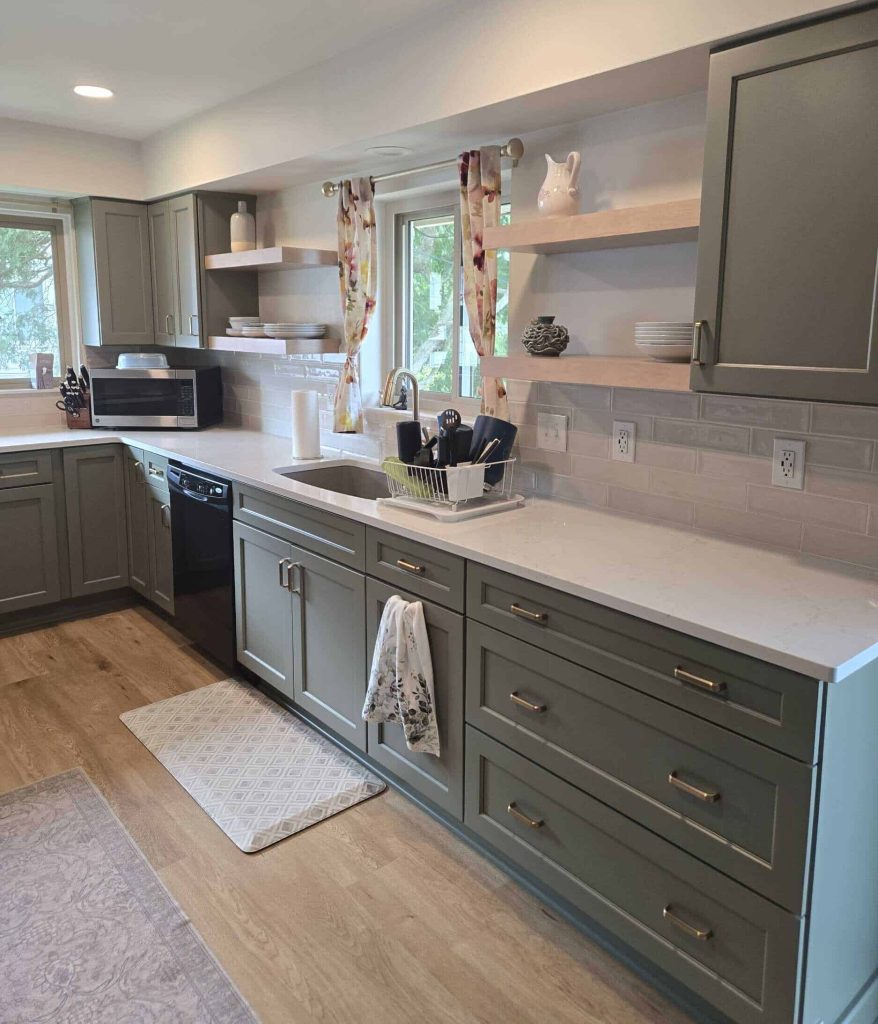
How to Plan a Kitchen Remodel: A Step-by-Step Guide for Homeowners
The kitchen is the most used room in your home. It’s where mornings start, meals happen, and people naturally gather. So when it stops working for you whether the layout is frustrating, the storage is maxed out, or it just looks tired it affects your whole day. A kitchen remodel is one of the biggest investments you can make in your home, and it’s also one of the most rewarding when it’s done right. The key is going in with a solid plan.
Here’s how to do that.
Start With What’s Actually Bothering You
Before you look at a single cabinet door or countertop sample, get honest about what isn’t working. Is the layout the problem, do you constantly feel like you’re working in a cramped or awkward space? Is it storage? Lighting? Outdated appliances? Or is it purely cosmetic everything functions fine but it looks like it belongs in a different decade?
Your answers matter because they determine your scope. A kitchen remodel can mean a lot of different things, and understanding your actual pain points keeps you from spending money in the wrong places.
Get Clear on How You Use Your Kitchen
Not every kitchen needs the same things. A household that cooks elaborate meals every night has different needs than one that mostly does quick weeknight dinners. Think about how many people are typically in the kitchen at once, whether you entertain regularly, how much prep space you actually need, and whether you want an open layout or a more defined cooking space.
The best kitchen remodels are designed around how you actually live not just what looks good in a photo.
Set a Realistic Budget Early
Kitchen remodels have a wide cost range, and that range exists for good reason. Custom cabinetry, high-end appliances, stone countertops, and moving plumbing or electrical all drive costs up significantly. Working within your existing footprint and making smart material choices can keep the project more manageable without sacrificing the result.
The other thing worth knowing: a well-executed kitchen remodel is one of the strongest returns on investment of any home improvement project. It’s not just about how it looks it directly affects your home’s resale value.
Think Through Your Layout Carefully
Layout is the single most important decision in a kitchen remodel and the one most homeowners underestimate. The most functional kitchens are built around what’s called the work triangle, the relationship between your sink, stove, and refrigerator. When those three points work together efficiently, everything else falls into place.
If your current layout is genuinely broken meaning it creates constant friction in how you move through the space, it may be worth the investment to reconfigure it. If the layout is basically sound, working within it and focusing your budget on finishes and storage is usually the smarter move.
Don’t Underestimate Storage Planning
One of the most common regrets homeowners have after a kitchen remodel is not planning enough storage. It’s easy to get focused on the visual elements countertops, backsplash, hardware and then realize after the fact that you don’t have a good place for half your stuff.
Think through storage intentionally before anything gets built. Where will small appliances live? Do you need a pantry? How do you want to organize pots, pans, and dishes? A good designer or contractor will help you think through this, but you should come to that conversation with your own wish list already in hand.
Choose Materials That Work for Your Life
There’s no shortage of beautiful options when it comes to kitchen materials and no shortage of options that look great in a showroom but don’t hold up in a real kitchen. Think about durability alongside aesthetics. Countertops, flooring, and cabinet finishes all take a beating in a heavily used kitchen, so whatever you choose needs to be able to handle daily life, not just look good on day one.
A good rule of thumb: invest more in the things you touch and use every day cabinet hardware, faucets, countertop surface and be more flexible on things that are less frequently handled.
Plan for the Disruption
A kitchen remodel is one of the more disruptive projects you can do in a home because it takes your most-used room offline for weeks. The timeline varies depending on scope, but even a focused remodel typically takes several weeks from demo to completion. Plan ahead for how you’ll handle meals during that time a makeshift kitchen setup in another room, a coffee maker and microwave in the dining room, and a plan for dinner goes a long way toward keeping the stress manageable.
Work With Someone Who Listens First
A kitchen remodel involves a lot of moving pieces cabinetry, countertops, flooring, appliances, plumbing, electrical, and lighting all have to work together. The contractor you choose should be someone who takes time to understand how you live in your home before they start talking about what to build. If a contractor walks in and immediately starts telling you what you need without asking questions first, that’s a red flag.
Look for someone with verifiable local experience, clear communication, and a process that keeps you informed from start to finish.
Ready to Start Planning?
You don’t need to have everything figured out before you pick up the phone. Most homeowners who reach out to us are right where you are now they know they want a change but aren’t sure where to start. That’s exactly what we’re here for. Give us a call and let’s have a conversation about your kitchen, your goals, and what’s realistic for your home.